Verify fitment
Match year, model, drivetrain, unit code and application.
Transmission replacement planning · Chicago
When repair is no longer practical, a replacement transmission may be the better path. The decision should account for the vehicle’s condition, transmission availability, total installed cost, programming requirements and the warranty attached to the specific unit—not price alone.
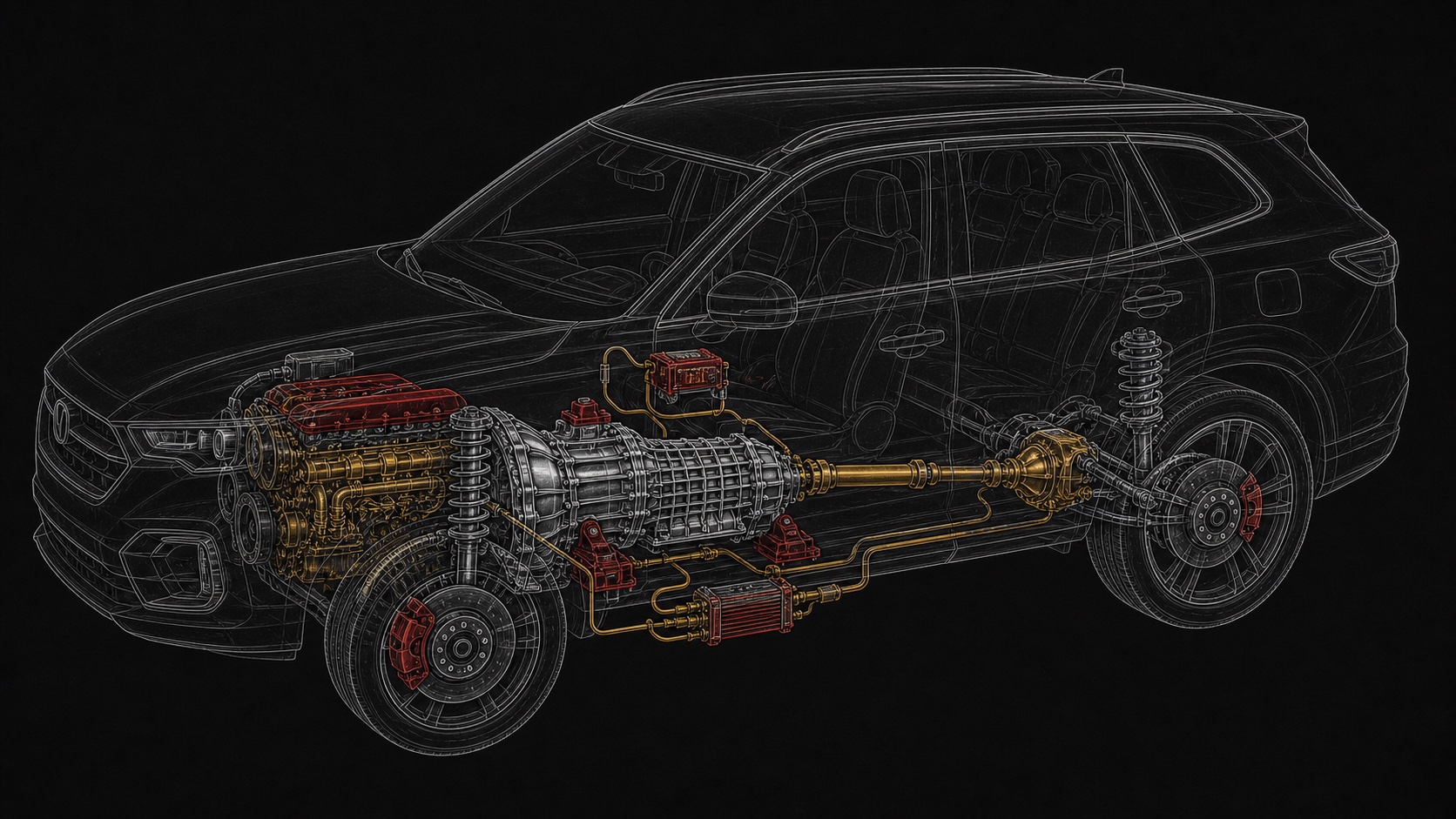
Fitment, supporting systems and calibration matter as much as the unit.
Match year, model, drivetrain, unit code and application.
Address cooler, mounts, controls and related failure causes.
Use correct fluid, procedure and software steps when required.
Confirm engagement, shifting, leaks and operating temperature.
The correct transmission, supporting systems, fluid and calibration all affect how a replacement performs in the vehicle.
One symptom can have several causes. These signs tell us where to begin—not which part to replace.
We diagnose the vehicle first so another engine, electrical or driveline problem is not mistaken for transmission failure.
VIN, drivetrain, calibration and production details help prevent ordering an incompatible transmission.
New, remanufactured, rebuilt and used units differ in availability, contents, warranty and long-term value.
Approved installation includes the correct fluid, related checks and testing required for the vehicle and unit.
The strongest information from our original service guides, reorganized into short visual chapters.
A replacement may be appropriate after catastrophic internal damage, repeated failure, severe contamination or when an economical repair is not supported by available parts. It can also make sense when the replacement carries a suitable nationwide or manufacturer-backed warranty. The rest of the vehicle should be considered before making a large investment.
We compare realistic installed options and explain what each includes. The lowest advertised unit price may omit the torque converter, fluid, cooler work, programming, shipping, core charge or labor. A useful estimate accounts for the full repair rather than the transmission alone.
Two vehicles with the same model name may use different transmissions. Gear ratios, connectors, control modules, drivetrains and production dates can change fitment. Accurate identification helps avoid delays and compatibility problems.
A replacement also requires attention to the cooling system, mounts, axles, electrical connections and any calibration or relearn procedure specified for the vehicle. When contamination from the failed unit is present, the cooler and lines must be addressed as part of the installation plan.
Quality Transmission is an independent transmission specialist serving Chicago from West Irving Park Road. We explain why replacement is being recommended, what is included in the estimate and which written warranty applies to the selected unit.
Call with the VIN, mileage and symptoms. If another shop has already diagnosed the vehicle, bring the written findings so our team can review the information along with its own inspection.
Not necessarily. Availability, unit design, parts support, warranty, vehicle condition and total cost all matter. A professional rebuild may be the stronger option for some vehicles; a replacement may be better for others.
A new unit is produced from new components by the manufacturer or supplier. A remanufactured unit has been disassembled, inspected and rebuilt to a defined specification. Contents and warranties vary by supplier.
Many modern vehicles require programming, coding, adaptation or relearn procedures. Requirements depend on the year, make, model and transmission.
The VIN, mileage, drivetrain, symptoms and diagnostic findings are important. A complete estimate may require inspecting the vehicle and confirming the exact unit before checking availability.




Towing available