Correct fluid
Use the specification and fill procedure required by the unit.
Fluid, filters, leaks and preventive service · Chicago
Transmission maintenance is not the same procedure for every vehicle. Fluid type, service interval, filter design and fill method vary by manufacturer and transmission. We inspect the service history and current condition before recommending maintenance that fits your vehicle.
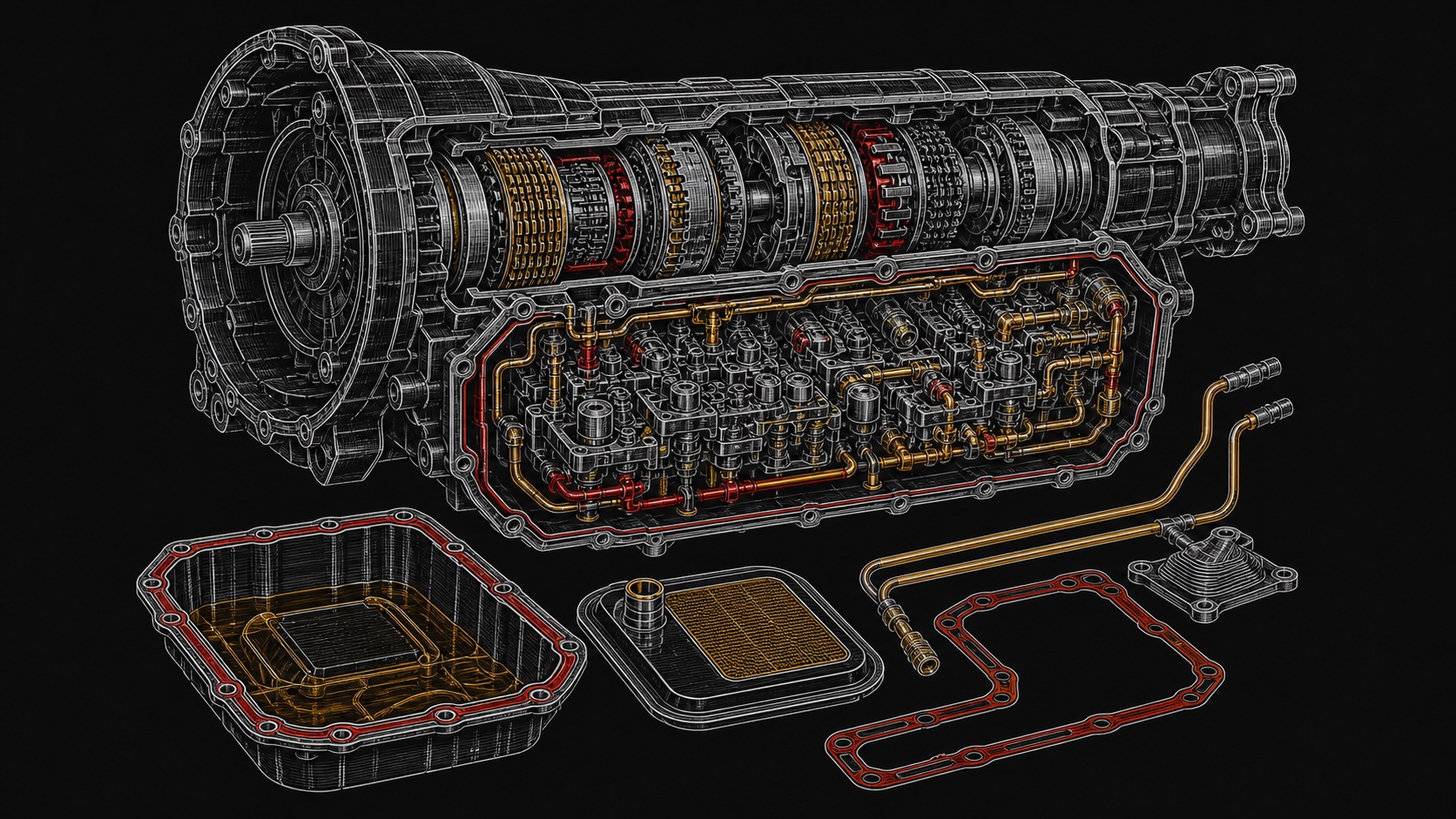
Fluid condition and accessible debris provide important service clues.
Use the specification and fill procedure required by the unit.
Inspect accessible debris, seals and service components.
Check lines, connections, sealing areas and heat concerns.
Compare engagement, shifts, codes and road behavior.
Correct fluid and filters matter, but the service is also a chance to find leaks, heat or operating changes before they become larger problems.
One symptom can have several causes. These signs tell us where to begin—not which part to replace.
Mileage, previous maintenance and manufacturer guidance help establish the appropriate starting point.
We look at fluid condition, accessible seals, lines, pan area and signs of overheating or contamination.
Fluid specification, filter access and fill method are matched to the transmission instead of using a one-size-fits-all service.
After service, ask when the vehicle should be checked again based on use, mileage and manufacturer guidance.
The strongest information from our original service guides, reorganized into short visual chapters.
Transmission fluid lubricates components, carries hydraulic pressure and helps control operating temperature. Over time, heat and normal wear can change its condition. Low fluid from a leak can cause pressure loss, poor lubrication and overheating. The correct response depends on the unit and its history—not simply the color of the fluid.
A maintenance visit is also an opportunity to look for seepage, damaged cooler lines, pan concerns and other signs that could become larger problems. Early detection may reduce the chance of an unexpected breakdown, but routine service cannot repair worn or broken internal parts.
Some transmissions use a serviceable pan and filter. Others have internal filters or manufacturer-specific drain, fill and temperature procedures. CVT, dual-clutch, manual and conventional automatic fluids have different requirements. We identify the unit before selecting products or procedures.
If a transmission already slips, shudders or has metal contamination, the vehicle needs diagnosis before maintenance. Performing a fluid service without understanding the existing problem can create false expectations about what the service will accomplish.
Stop-and-go traffic, summer heat, winter cold, towing and frequent short trips can all influence service needs. Manufacturer schedules often distinguish between normal and severe use, so the correct interval may depend on how the vehicle is driven.
Quality Transmission has served Chicago drivers since 1988 from 6144 W Irving Park Road. Call with the vehicle year, make, model, mileage and known service history to discuss an inspection. Se habla español.
There is no universal interval. Follow the manufacturer’s guidance and consider vehicle use, transmission type, fluid condition and prior service. We can help interpret those factors.
No. The procedures exchange fluid differently, and not every method is appropriate for every transmission. We choose a procedure based on the unit and its condition.
Maintenance may help when fluid condition or level is the issue, but it cannot rebuild worn clutches, repair broken parts or correct every hydraulic or electronic failure. Slipping should be diagnosed first.
Yes, but they use different fluids and procedures from conventional automatics. The correct specification and interval depend on the vehicle and transmission design.




Towing available