Fluid & cooling
Level, condition, leaks and operating temperature.
Transmission diagnosis · Irving Park, Chicago
A transmission problem rarely fixes itself. When your vehicle slips, hesitates, leaks fluid, makes a new noise or refuses to move, our first job is to identify the actual cause before recommending a repair. Quality Transmission & Auto Service has served Chicago drivers from West Irving Park Road since 1988.
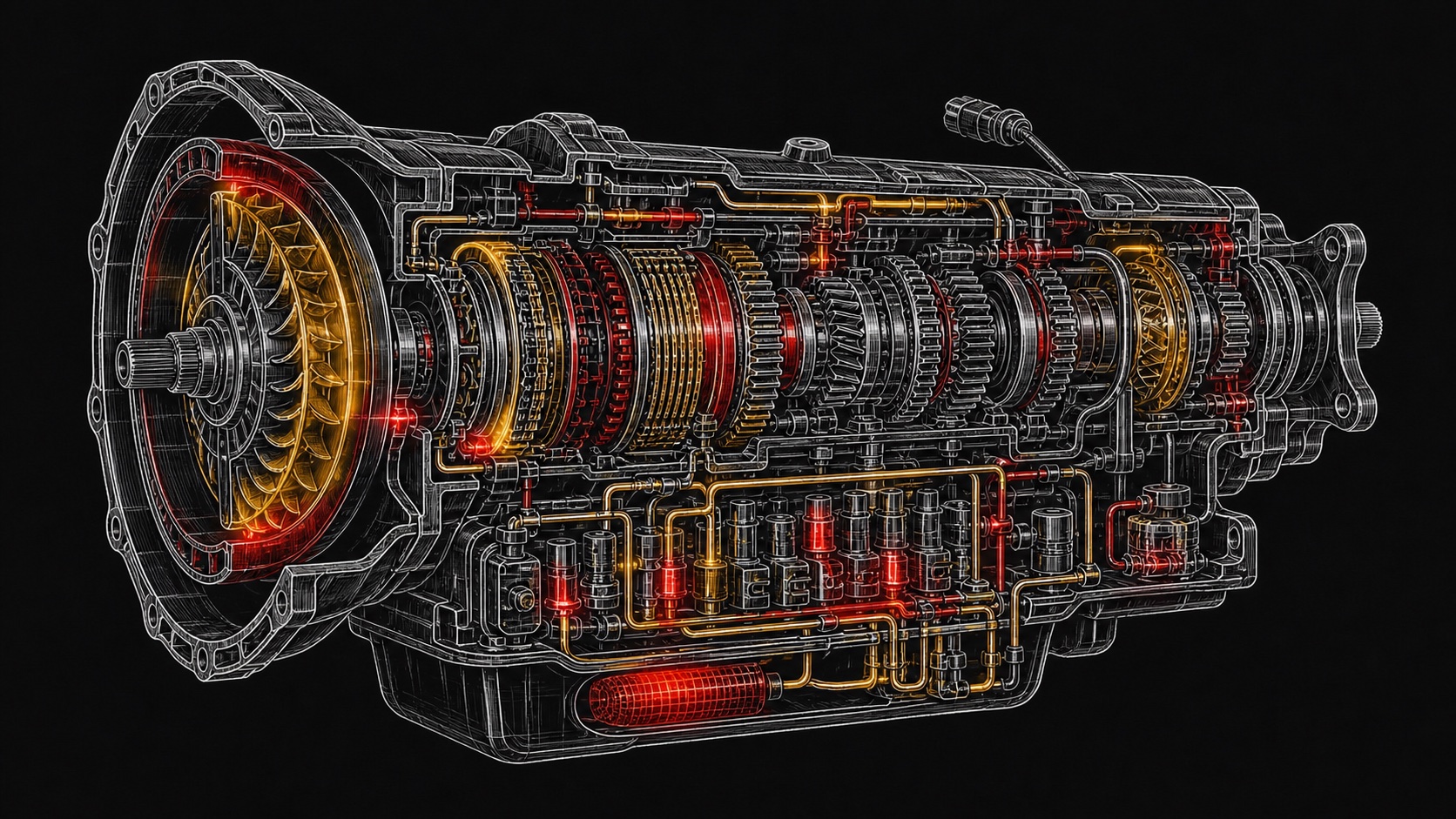
The unit sits between engine power and the drive wheels.
Level, condition, leaks and operating temperature.
Codes, wiring, sensors, solenoids and command data.
Pump, valve body, seals and apply pressure.
Clutches, gears, bearings, mounts, axles and joints.
The transmission, its controls and the surrounding driveline can produce similar symptoms. These four areas keep the diagnosis grounded in evidence.
One symptom can have several causes. These signs tell us where to begin—not which part to replace.
We start with the symptoms you noticed, the vehicle history and the conditions that make the problem appear.
Fluid condition, leaks, electronic data and a road test help separate a transmission failure from an engine, axle or control problem.
You receive a practical recommendation based on what we find—maintenance, an external repair, internal repair, rebuilding or replacement.
After approved work, the vehicle is checked again so shifting, fluid level and operating behavior can be verified.
The strongest information from our original service guides, reorganized into short visual chapters.
The transmission works together with the engine computer, sensors, axles, mounts, cooling system and electrical controls. A warning light or harsh shift does not automatically mean the entire transmission needs to be replaced. Low fluid, a leak, a damaged connection, a control issue or another driveline component can produce similar symptoms.
Our approach is to verify the complaint and narrow down the cause. That protects you from paying for work that does not address the real problem. If the unit has internal damage, we explain what evidence led to that conclusion and which repair path makes sense for the vehicle.
Some vehicles need a fluid or filter service. Others need a cooler line, seal, solenoid, valve-body, torque-converter or internal repair. High-mileage or severely damaged units may be better candidates for a professional rebuild or a replacement transmission. The right answer depends on the design of the unit, parts availability, vehicle condition and how you plan to use the vehicle.
Before work begins, ask us about the estimate, expected timeline and written warranty that applies to the specific repair. We service automatic, manual and continuously variable transmissions in foreign and domestic cars, SUVs, vans and light trucks.
Quality Transmission & Auto Service is located at 6144 W Irving Park Road in Chicago. Drivers visit us from Portage Park, Old Irving Park, Dunning, Jefferson Park, Norridge, Harwood Heights and surrounding Northwest Side neighborhoods.
Se habla español. Towing is available when the vehicle cannot be driven safely. Call before towing so our team can help coordinate the next step and confirm the shop schedule.
No. Slipping can come from low or deteriorated fluid, hydraulic pressure loss, electronic controls, clutch wear or internal damage. Diagnosis is necessary before choosing repair, rebuild or replacement.
Continuing to drive can turn a manageable problem into major damage. If the vehicle is slipping, overheating, leaking heavily or losing movement, stop driving and call the shop about towing.
Timing depends on diagnosis, parts availability and whether the transmission must be removed. We explain the expected schedule after inspecting the vehicle rather than promising the same turnaround for every repair.
Yes. The shop services a wide range of foreign and domestic cars, SUVs, vans and light trucks. Call with the year, make, model and symptoms so we can discuss your vehicle.

Towing available